maintenance · October 10, 2026
Wolf Oven Maintenance and Cleaning Routine
Spill wipe-ups, Clean cycle prep, the door gasket, gas burners, hood filters and steam oven descaling, with how often each job comes round..
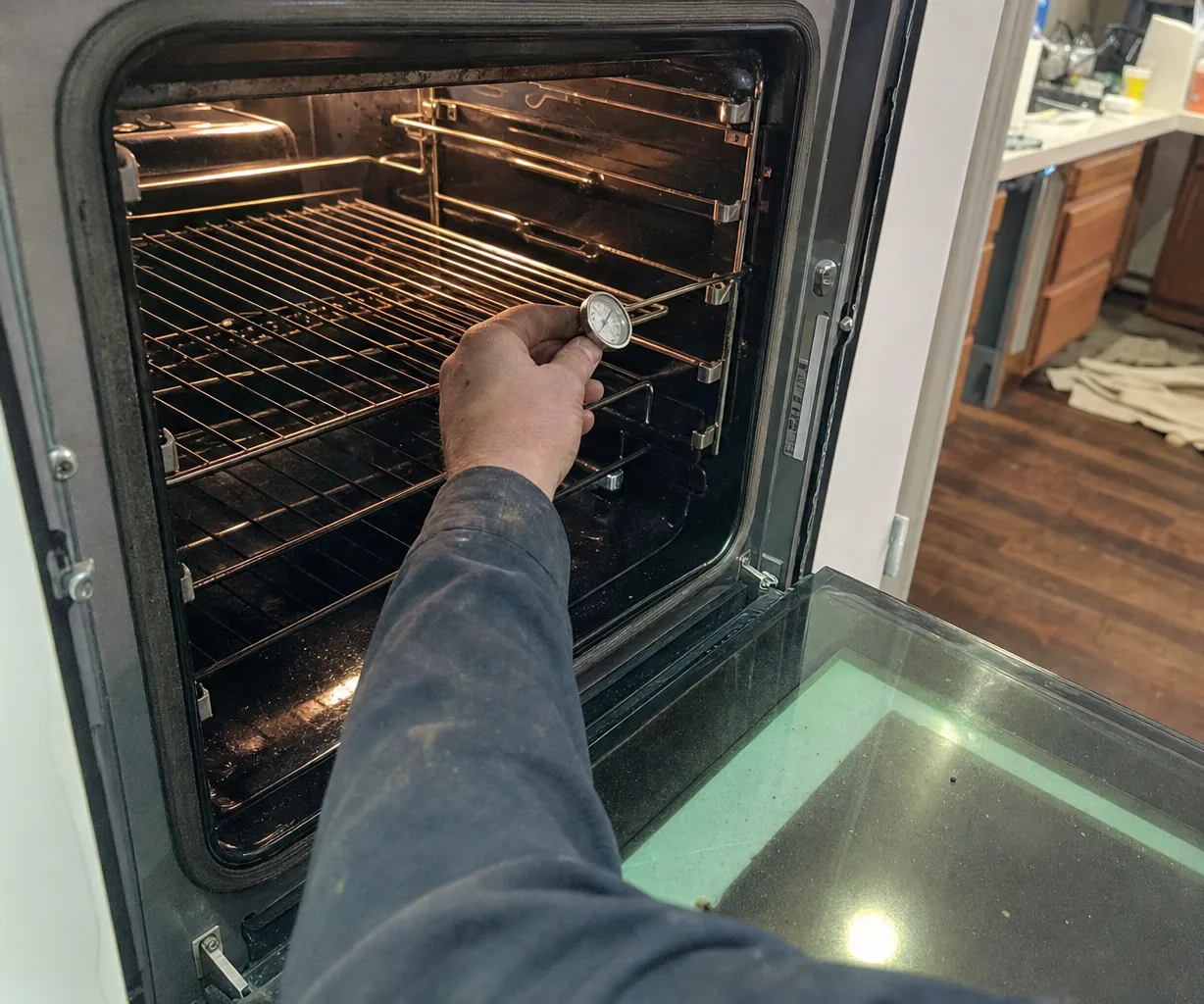
Wolf oven maintenance is a handful of small habits, not a big annual project. Wipe sugary or acidic spills once the cavity is cool enough to touch, keep foil and pans off the oven floor, leave the door gasket alone, prepare properly before every Clean cycle, and keep gas burner parts clean, dry and seated. A steam oven adds descaling, and it tells you when that is due. A razor scraper, mild dish soap, soft cloths and a straight pin cover everything.
Everyday care inside the cavity
Wolf oven interiors are porcelain enamel, which shrugs off heat but not acid or sugar left to bake in. Get fruit pie overflow, tomato sauce and sticky marinades out as soon as it is safe to touch them; Wolf warns that some of those marks become permanent, even though the oven still cooks normally.
Skip the habit of lining the floor with foil. Wolf says foil on the floor or side walls, or a pan set straight on the floor, damages the porcelain and voids the warranty. In a gas oven there is a safety reason too: the U.S. Consumer Product Safety Commission cautions that foil over the bottom blocks combustion air and can produce carbon monoxide. Put a sheet pan on the lowest rack to catch drips instead.
The door gasket: inspect it, never scrub it
The soft seal around the oven opening is the part owners clean too eagerly. Wolf’s guidance is short: do not clean it, because rubbing or shifting the gasket can compromise the seal. Wash the door glass and frame, and keep sprays and cloths off the gasket.
Look it over a few times a year instead. Flattened stretches, frayed patches, a corner pulling away from its clips, scorch marks on the cabinet above the door or smoke escaping along one edge all point to door seal or hinge work that cleaning will not fix.
Getting the oven ready for Clean
Self-clean turns soil to ash at very high heat, and the prep decides how well it works. Lift thick, baked-on deposits with a razor blade held nearly flat, then wash the cavity with soap and water, because spray-cleaner residue can etch the porcelain once Clean heats it. Take out anything your use and care guide does not list as safe to stay in, run the hood, and keep pet birds out of the kitchen. Once the oven cools, wipe the ash out with a damp cloth.
Run Clean only when the cavity needs it. Porcelain expands and contracts with each heat cycle, and Wolf notes this can leave fine lines, small chips or a cloudy haze, most visible in a colored interior, with self-clean the usual trigger. The marks are cosmetic, but there is no reason to invite them.
Burners, caps, grates and igniters on a gas range
On a Wolf range or rangetop, give the burner parts a monthly clean plus one after any boil-over. With the knobs off and everything cold, lift the grates and caps, wash them in warm soapy water with a non-scratch pad and dry them completely. Clear a blocked port with a straight pin or opened paper clip, never a toothpick that can snap off inside.
Keep water off the igniters; a burner that clicks on and on right after a wipe-down usually just needs a few hours to dry. Set each cap back flat and centered, since a cap sitting slightly off gives a lazy, uneven flame or no light at all. A healthy flame is blue and steady all round. If you smell gas, turn the knobs off, leave the house and call the gas utility from outside.
Hood filters
Most Wolf hoods trap grease in metal baffle filters that lift out by hand. Wash them in hot soapy water about monthly, more often if you sear or fry several nights a week. Clogged filters leave the blower louder and weaker, the usual start of a hood that struggles.
Steam oven water and descaling
A Wolf convection steam oven needs minerals in its water, so fill the tank with fresh cold tap water, not filtered, distilled or demineralized. A full tank gives about four hours of steam on 24-inch models and two hours on 30-inch models. Its everyday cleaning is a 30-minute Clean mode pass at 176°F (80°C), after which you wipe down the cavity. Racks and stainless pans are fine in a machine wash; the water tank must be washed by hand.
Descaling falls due every 6 to 18 months, and the display says so with Boiler Scaled Up, Please Descale! Jacksonville tap water is pumped from the Floridan aquifer and carries plenty of dissolved minerals, so expect the earlier end of that window. Use only Wolf’s descaling solution, part number 820021, emptying the whole bottle into the cycle; vinegar can harm the unit and protects it less. The cycle takes 16.9 oz (500 mL) and about 45 minutes with one rinse, or up to roughly 30 minutes more if it needs extra rinses. It cannot be canceled and restarts after a power cut, so start it when you can spare the oven.
A schedule that fits a busy kitchen
- After cooking: wipe acidic or sugary spills once the cavity has cooled.
- Monthly: wash burner caps, grates and hood filters.
- A few times a year: check the door gasket and run Clean only when soil calls for it.
- Every 6 to 18 months: descale the steam oven when it asks.
A new oven needs one burn-off first. For a gas range oven, Wolf has you clean it, then run Bake at 500°F (260°C) for 30 minutes and Broil for 30 more with the hood on; its electric wall ovens run Convection Roast at 500°F (260°C) for an hour.
When care turns into a repair
No routine fixes a slow or overshooting preheat, a burner that clicks without lighting, or a door that no longer closes square. A visit starts with the $80 diagnostic. Door hinge, glass or seal work typically runs $180–$720 and an igniter replacement $200–$510, with the firm price set after diagnosis. Ovens that run cold or lock shut are covered on the wall oven repair page.
$80 flat diagnostic, credited toward the repair when you go ahead with it. +1 (904) 867-2707
What it costs
What does this kind of maintenance cost?
The visit itself is a flat $80. That buys the trip and the whole diagnostic sequence, and it comes off the total the moment you approve the work. What the work runs to on equipment of this class is below.
| What gets replaced | Parts and labour |
|---|---|
| Convection fan or motor | $250–$680 |
| Oven thermostat or temperature sensor | $190–$530 |
| Burner valve or orifice service | $210–$690 |
Questions
Asked about this note
- How do I clean a Wolf gas oven without damaging the interior?
- Scrape first, wash second, then heat. Shave off hard deposits with a flat razor blade, wash the cavity with mild soap and water so no spray-cleaner residue is left to etch the porcelain, run Clean, and wipe the cooled ash out with a damp cloth. Never lay foil across the floor of a gas oven: it chokes the combustion air and risks carbon monoxide.
- Should I clean the gasket on my Wolf oven door?
- No. Wolf tells owners to leave that seal alone, since rubbing it or nudging it out of place can weaken how the door closes. Clean the glass and the frame around it and simply inspect the gasket. A torn, flattened or loose section is a door seal repair, not something a cloth will fix.
- How often does a Wolf steam oven need descaling?
- Somewhere between every 6 and every 18 months, depending on how hard your water is. You do not have to guess: the display shows Boiler Scaled Up, Please Descale! when it is time. Use the Wolf descaling solution, part number 820021, emptying the whole bottle into the cycle, and set aside about 45 minutes.
- Is smoke normal the first time a new Wolf oven heats up?
- Yes, a little smoke and a burnt smell during the first long, hot run are expected as the new insulation and coatings season. Clean the cavity first, switch the hood on, open a window and let the oven finish its burn-off and cool with the door shut. Smoke that returns on every bake afterward is worth a look.